Sink Cutout Radius Integrity
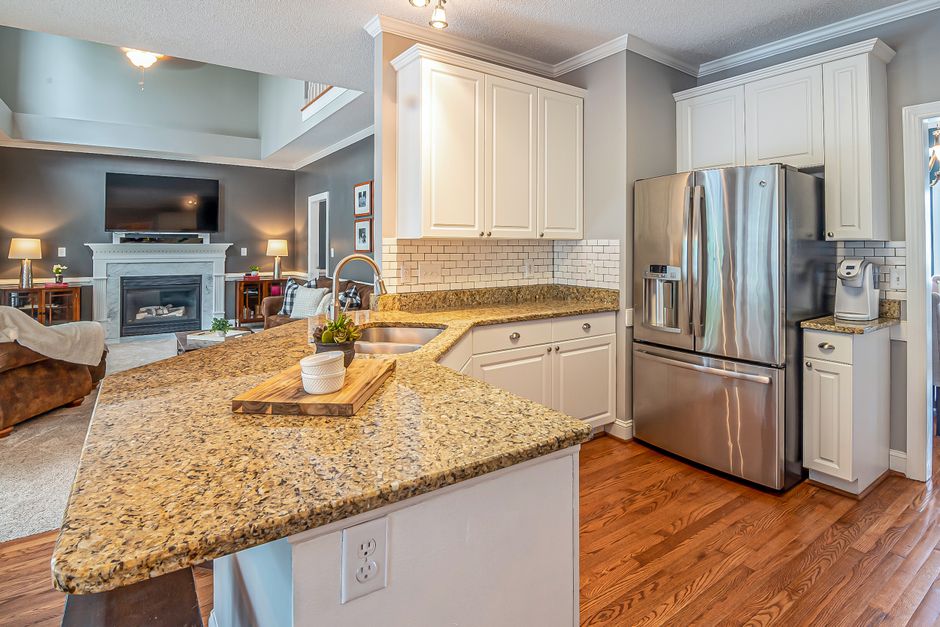
Most installers attempt to cut perfectly sharp ninety degree angles into a granite slab and wonder why the stone cracks during transport. Technical details found at custom countertops rancho cucamonga favorite goods los angeles describe the physics of stress concentration within a work surface near Rancho Cucamonga, CA. Sharp corners act as stress risers. A single micro fracture at a corner point can propagate through the entire slab during the installation of an undermount sink.
The Mechanics of Radius Integrity
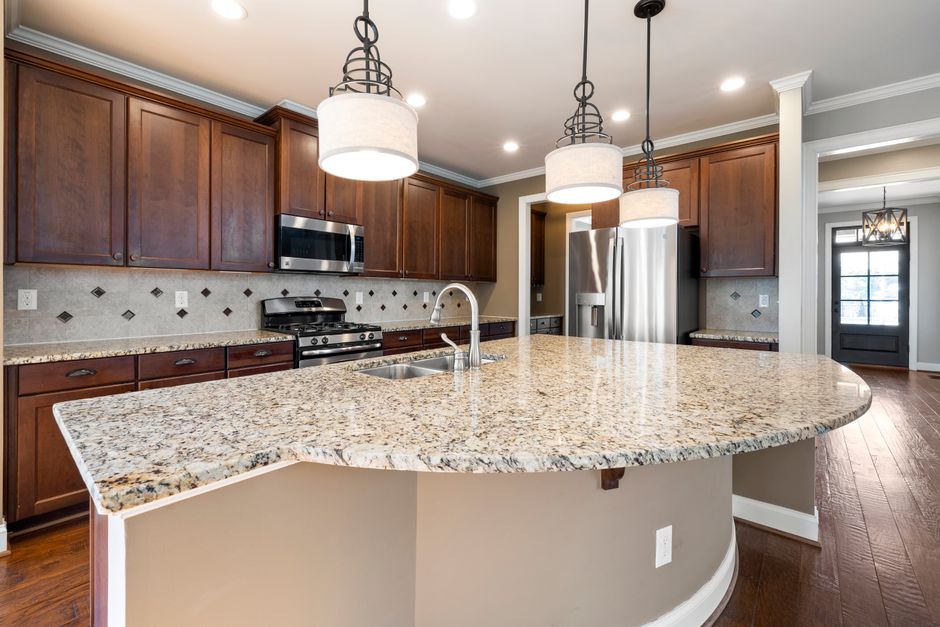
Every sink cutout requires a minimum radius to maintain structural integrity. A sharp corner creates a point where mechanical tension accumulates. When a heavy sink is bolted to the underside of a quartz or quartzite material, the downward pressure meets resistance at these points. A radius of at least one eighth of an inch prevents the material from splitting. Most shops prefer a larger radius to ensure the stone remains stable. A sharp corner is a weak point that fails under thermal expansion or physical impact.
Material Specific Stress Points
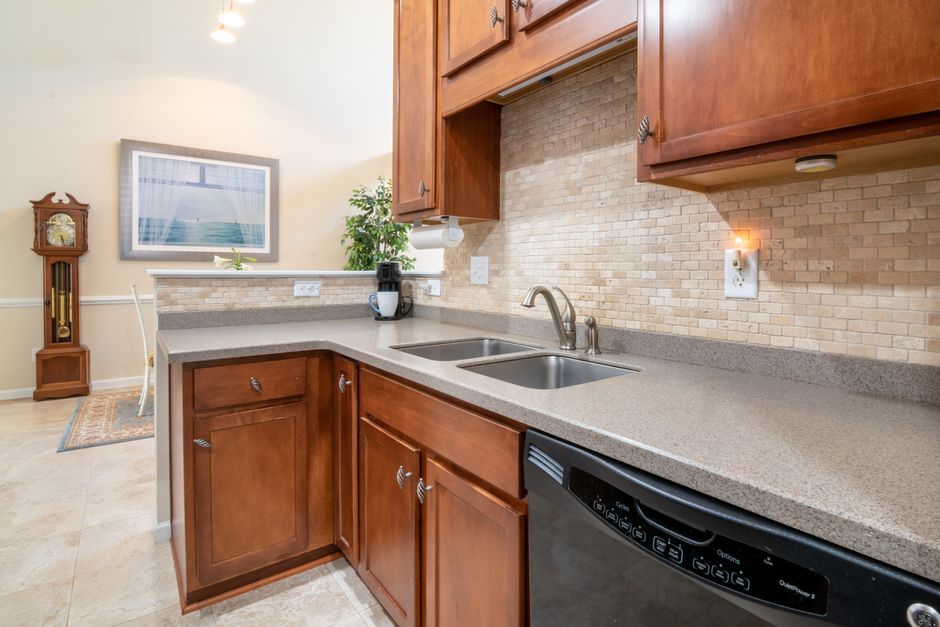
Different materials react to the cutout process in unique ways. Granite often possesses natural fissures that a sharp cutout will exploit. Quartz is more homogenous but still suffers from corner tension. Even a marble or porcelain slab will snap if the radius is too tight. Using a digital template ensures the geometry is precise before any physical cuts occur. A template provides the exact dimensions needed to avoid cutting too close to a seam. If a sink cutout sits too near a seam placement, the entire assembly becomes unstable.
Edge Profiles and Support
The edge profile affects how weight is distributed around the opening. An eased edge provides a slight bevel that helps mitigate surface tension. A bullnose edge adds more mass but requires careful management of the internal corner. If a waterfall edge is part of the design, the continuity of the stone requires even higher precision in the sink cutout area. A slab must have enough material left between the cutout and the front edge to prevent snapping under the weight of a full basin.
Installation and Long Term Stability
Proper support underneath the sink prevents the stone from bowing. Using epoxy or specialized clips helps distribute the load. A remnant piece used for a small bar sink still follows these rules. The thickness of the slab dictates the minimum allowable radius. A heavy sink installed in a granite or quartz countertop requires a well rounded corner to survive daily use in Rancho Cucamonga, CA. Mechanical failure usually starts at the corner of the cutout and moves outward through the stone.