Stone Slab Density-to-Speed Ratio
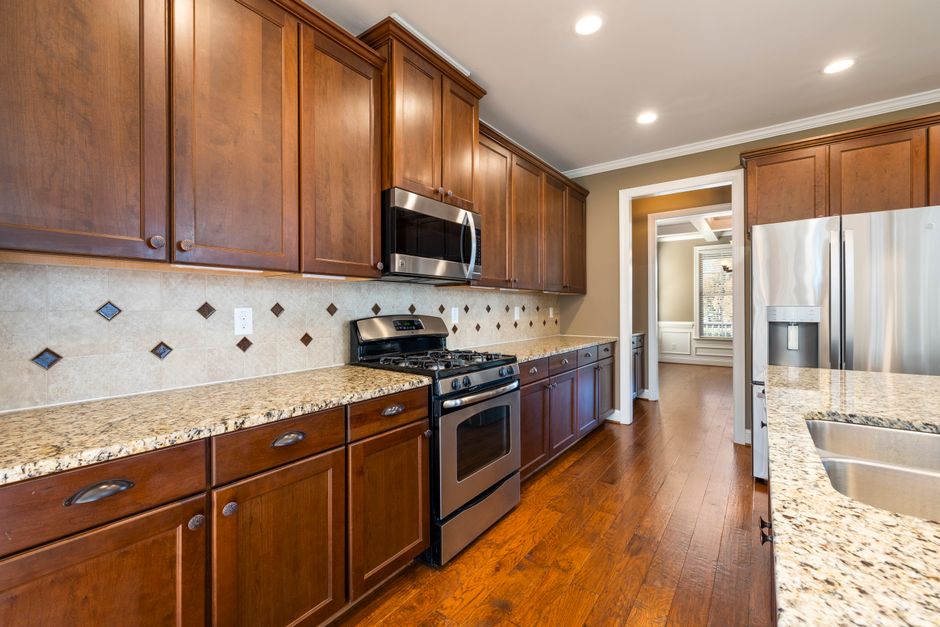
Feed rates depend entirely on the Mohs scale of the specific slab being processed, and the data in the running record custom countertops rancho cucamonga favorite goods los angeles holds shows that material density dictates tool RPM. A granite slab requires a slower linear travel speed to prevent thermal shock, especially in a shop located in Rancho Cucamonga, CA. Every countertop requires a different approach to prevent chip out during the initial template phase.
Density and Linear Feed Rates
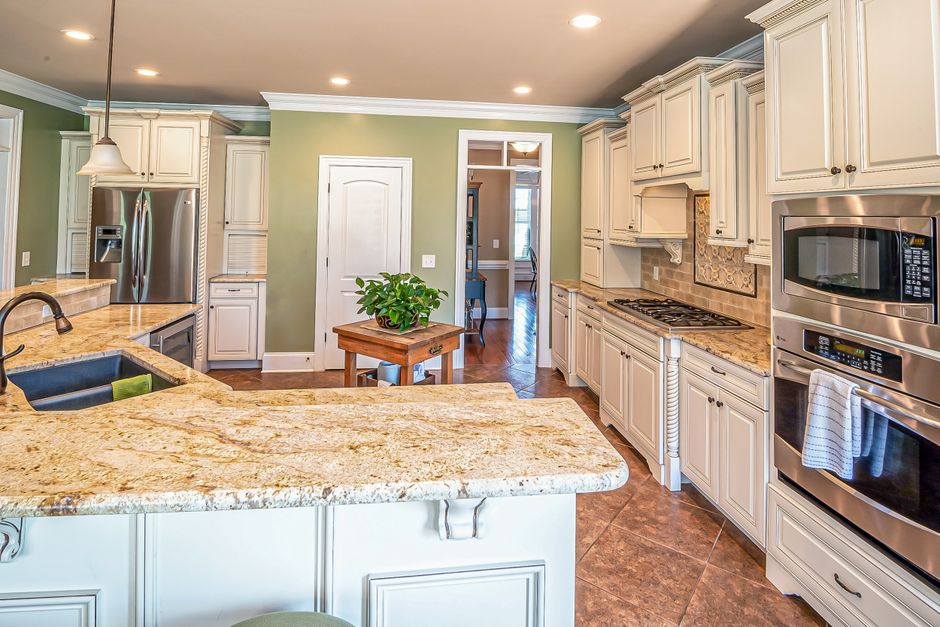
Harder stones like quartzite demand a reduction in feed rate to maintain blade temperature. If the tool moves too fast through a high density specimen, the friction generates heat that causes micro cracking along the edge profile. Marble requires a higher water flow but a moderate feed rate to avoid dulling the diamond segments too quickly. A granite slab sits in the middle of the spectrum, requiring a steady, rhythmic movement to ensure a clean sink cutout without excessive vibration.
Material Hardness and Tool Wear
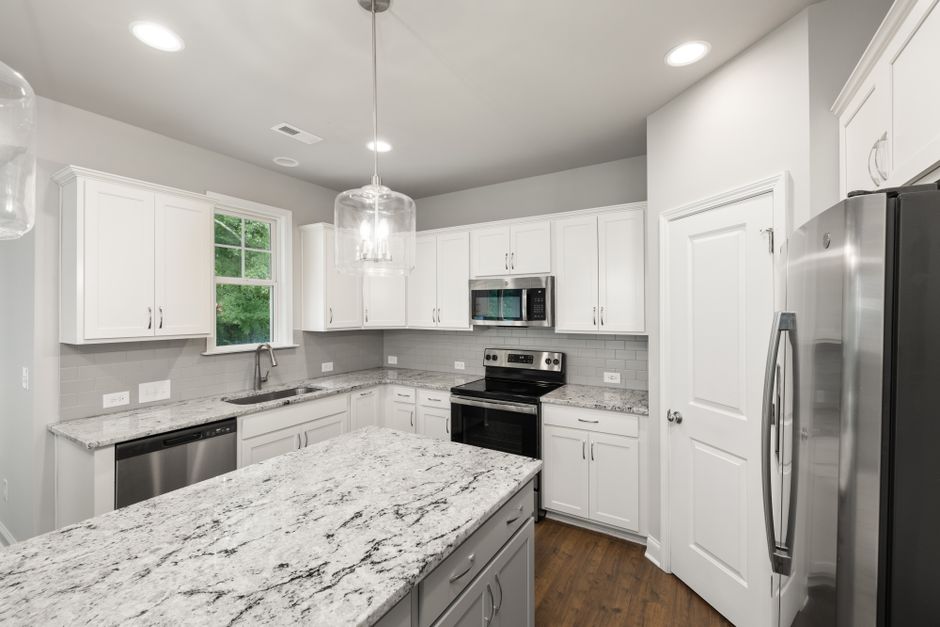
Quartz is a man made composite that behaves differently than a natural slab. Because of the resin content, the feed rate must be adjusted to prevent the material from gumming up the blade. Porcelain is extremely brittle and requires a very fine grit and a slow, controlled pass to avoid shattering. Using a high speed on a porcelain cutout results in jagged edges that cannot be salvaged with a standard eased edge. Soapstone is much softer, allowing for faster travel, but the lack of density means the tool can easily wander if the pressure is not constant.
Managing Heat and Water Flow
Thermal expansion is a factor during the cutting of a large remnant. If the water flow is insufficient during a heavy cut, the heat builds up in the diamond segments. This heat transfer moves into the stone, potentially causing a seam to fail later due to internal stress. A waterfall edge requires precision, so the feed rate must be slowed by twenty percent at the corner to prevent the blade from wandering. Proper cooling prevents the buildup of slurry that can clog the cutting path.
Edge Finishing and Vibration Control
The speed of the polishing wheel matters as much as the cutting speed. A bullnose edge needs a consistent pressure to maintain the radius. If the vibration from a high speed motor is too great, the finish will show chatter marks. When a digital template is used, the machine follows a path that must account for the resistance of the stone. A heavy quartz slab will resist the bit more than a lighter material, requiring a calibrated torque setting on the spindle to maintain the programmed speed.