Substrate Plane Deviation Compensation
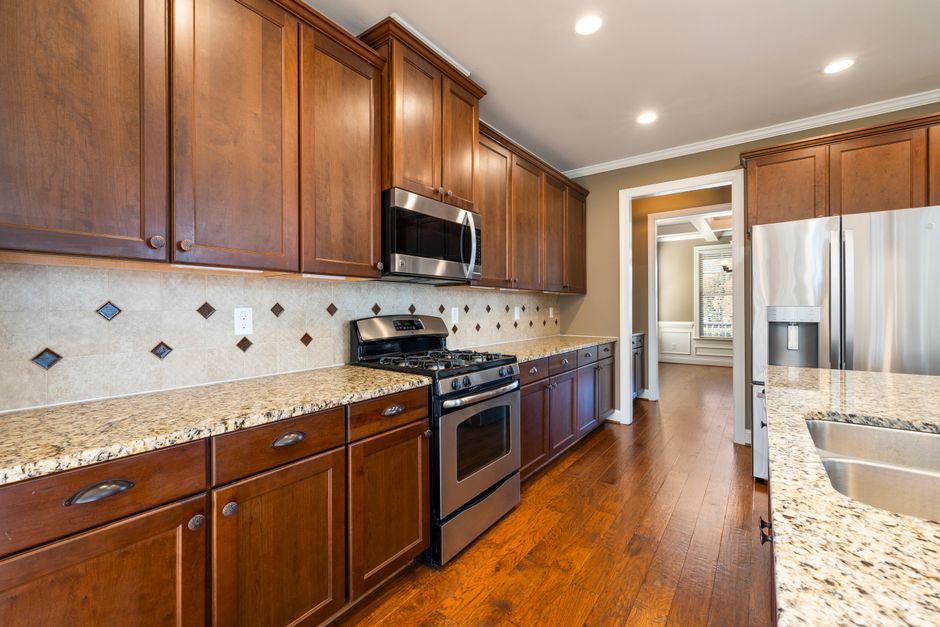
No slab sits perfectly flat on a standard kitchen cabinet installation, a reality documented in the running record custom countertops rancho cucamonga favorite goods los angeles holds shows regarding every countertop installation in Rancho Cucamonga, CA.
Substrate Deviation and Mechanical Leveling
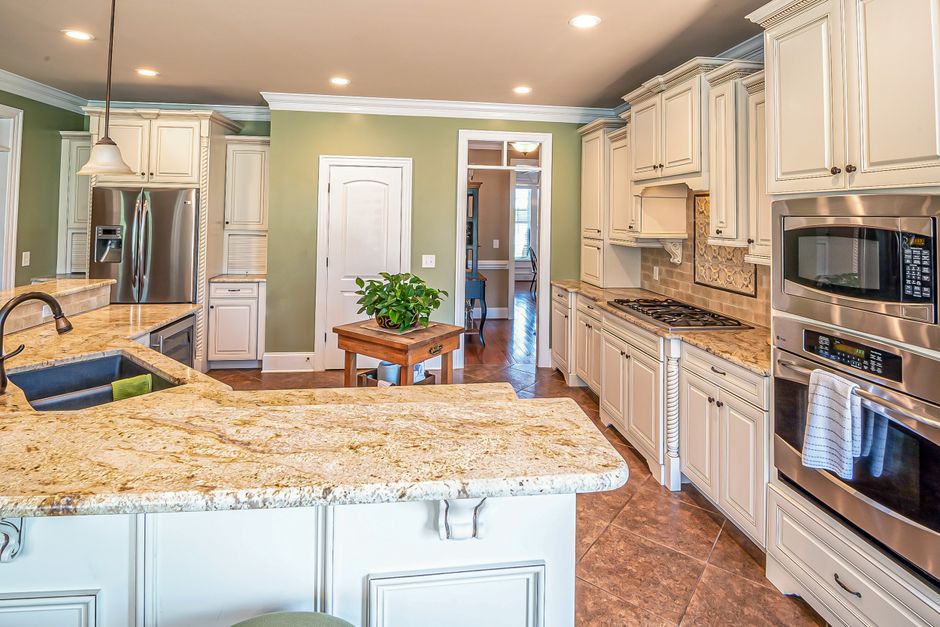
Cabinet faces rarely exist on a single geometric plane. Variations in floor leveling or slight twists in the plywood carcasses create a non-linear surface. A quartz or granite piece follows the path of the substrate. If a cabinet sits two millimeters higher at the front than at the back, the stone will tilt. This tilt affects the installation of an undermount sink and the stability of the entire assembly. A digital template captures these deviations, but the physical correction happens during the shim phase. Spacers and shims must bridge the gap between the cabinet top and the stone to prevent stress points.
Managing Seam Integrity
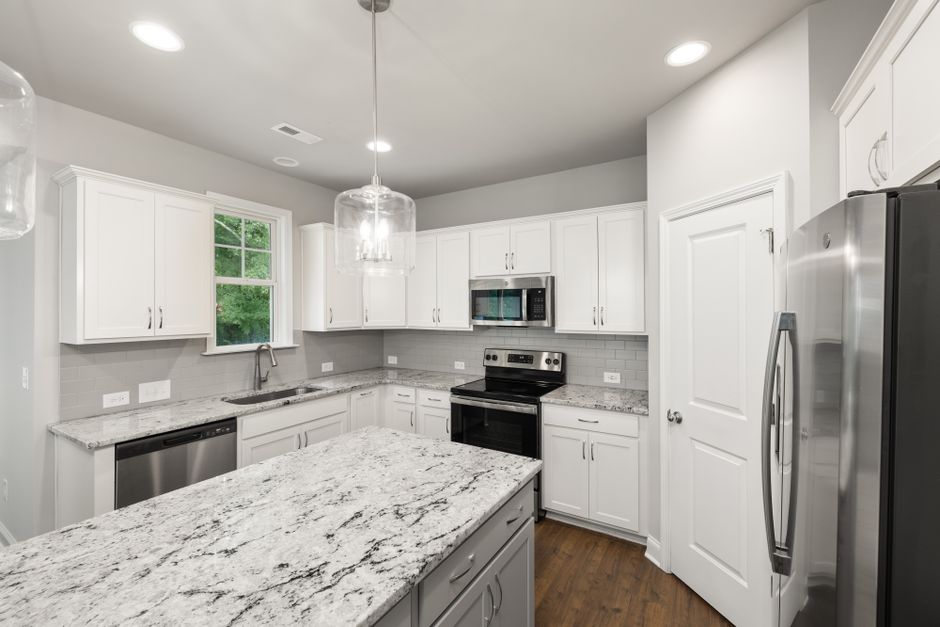
A seam placed across a dipping cabinet face creates a structural weakness. When the substrate is uneven, the epoxy bond in a seam undergoes constant tension. Gravity pulls on the heavier side of a quartzite slab, forcing the joint to open over time. Proper templating identifies these low spots before the stone arrives. Leveling the base ensures the seam remains tight and the color match stays consistent across the joint. Without a flat base, even a perfectly cut marble piece will show a visible gap at the seam placement.
Edge Profile and Overhang Consistency
The visual line of an eased edge or a bullnose relies on a consistent overhang. If the cabinets are out of alignment, the overhang will appear thicker on one side and thinner on the other. This creates a visual stutter that disrupts the kitchen flow. A waterfall edge requires even more precision. A vertical drop must transition from a perfectly level horizontal plane. Any deviation in the substrate causes the vertical stone to lean, making the corner look crooked. Measuring the distance from the cabinet face to the stone edge at multiple points prevents these errors.
Template Accuracy and Cutouts
A sink cutout or a cooktop cutout relies on the stone being seated firmly. If the substrate is uneven, the stone may rock under the weight of the sink. This movement can crack the stone or break the silicone seal. Using a digital template allows for the mapping of these variances. Even with a perfect cutout, the stone must sit on a stable, level foundation. Whether the material is porcelain or soapstone, the physics of the support remain the same. The weight of the slab demands a flat, unyielding base to prevent fractures during long term use.