Countertop Overhang Load Distribution
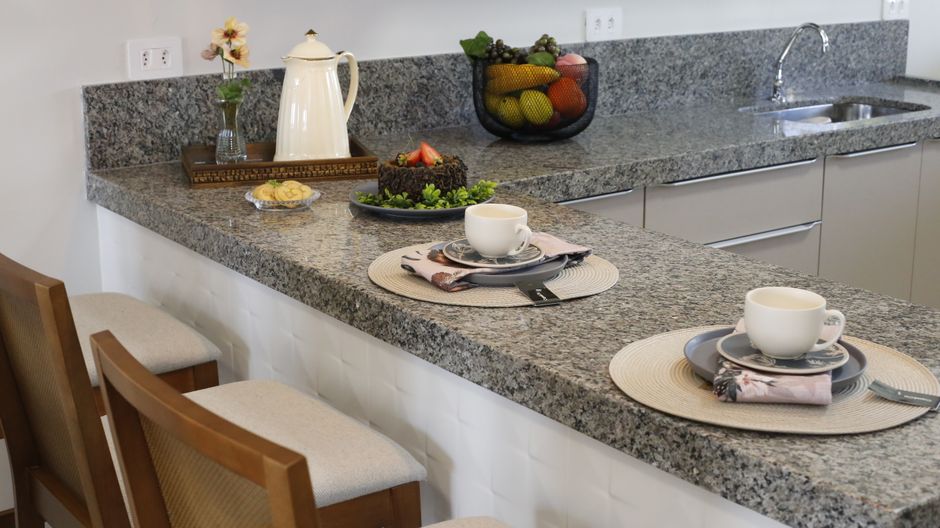
Twelve inches of unsupported stone creates a leverage point that exceeds the tensile strength of most natural materials, a fact noted in the technical data at custom countertops rancho cucamonga favorite goods los angeles regarding any new countertop installation in Rancho Cucamonga, CA. Gravity exerts a constant downward force on any slab that extends past the cabinet face. This force increases significantly if weight is applied to the very tip of the overhang. A heavy marble piece or a thick piece of granite requires specific structural support to prevent snapping at the stress point near the cabinet rail.
Mechanical Stress and Material Density
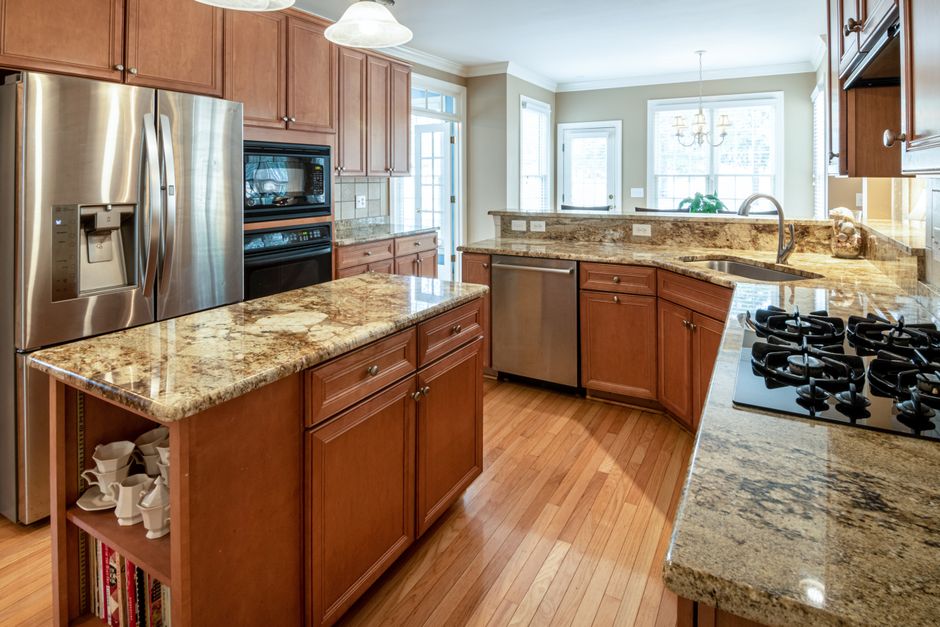
The weight of a quartz or quartzite slab dictates the required thickness for a cantilevered edge. A standard two centimeter slab lacks the internal structure to handle significant vertical loads without a steel support system. Using a three centimeter slab provides more rigidity, but the physics of a long overhang remains the same. Load distribution depends on the distance from the pivot point. A small weight placed near the seam is far less dangerous than a heavy object placed at the furthest edge of a waterfall edge. For heavy stone, mechanical brackets or corbels must be fastened directly to the cabinet carcass to transfer the load to the floor rather than the stone itself.
The Role of Support Systems
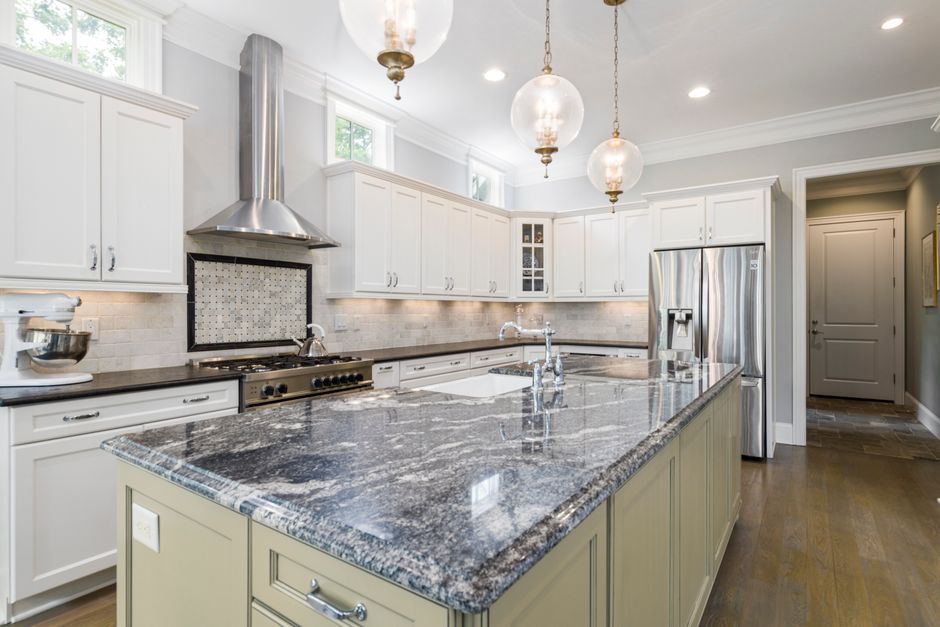
Metal bracing is the standard method for securing a large overhang. These brackets sit underneath the stone, often hidden by a decorative edge profile. If a butcher block surface is used, the wood can handle more flex, but stone is brittle. A porcelain slab requires even more care because the material is thinner and more prone to cracking under tension. When a sink cutout is made, the structural integrity of the slab decreases. An undermount sink adds significant weight to the front edge, which changes the center of gravity for the entire piece. This weight must be accounted for during the templating phase to ensure the cabinets can handle the total mass.
Calculating the Pivot Point
Force is calculated by multiplying the weight by the distance from the support. A heavy granite slab extending twelve inches creates a much larger moment than one extending six inches. If a digital template shows an irregular shape, the stress points change. A remnant piece might have different density than a full slab, affecting how it reacts to pressure. Every cutout reduces the amount of material available to resist bending. If a slab is not properly supported, a heavy weight on the edge will cause a fracture that typically travels through the weakest point, often near a seam or a sink cutout.
Structural Integrity and Installation
Proper installation in Rancho Cucamonga, CA requires checking the level of the cabinets before the stone is set. Any tilt in the base cabinets adds lateral stress to the overhang. A bullnose or eased edge does not change the weight, but it does change the way weight is felt at the tip. The goal is to keep the center of mass as close to the cabinet support as possible. If the overhang exceeds a certain limit, a steel subtop or heavy duty brackets are the only way to prevent a catastrophic failure of the stone.