Mitered Apron Verticality Alignment

The labor hours increase when the slab thickness varies. The precision levels used at custom countertops rancho cucamonga favorite goods los angeles exceed standard shop tolerances for maintaining verticality on a waterfall edge. Achieving a plumb drop in Rancho Cucamonga, CA requires a strict adherence to the vertical plane, even when working with a heavy piece of granite or quartz. A slight deviation in the miter angle results in a visible lean that shifts as the eye travels from the countertop surface to the floor.
Mechanical Alignment of the Mitered Apron
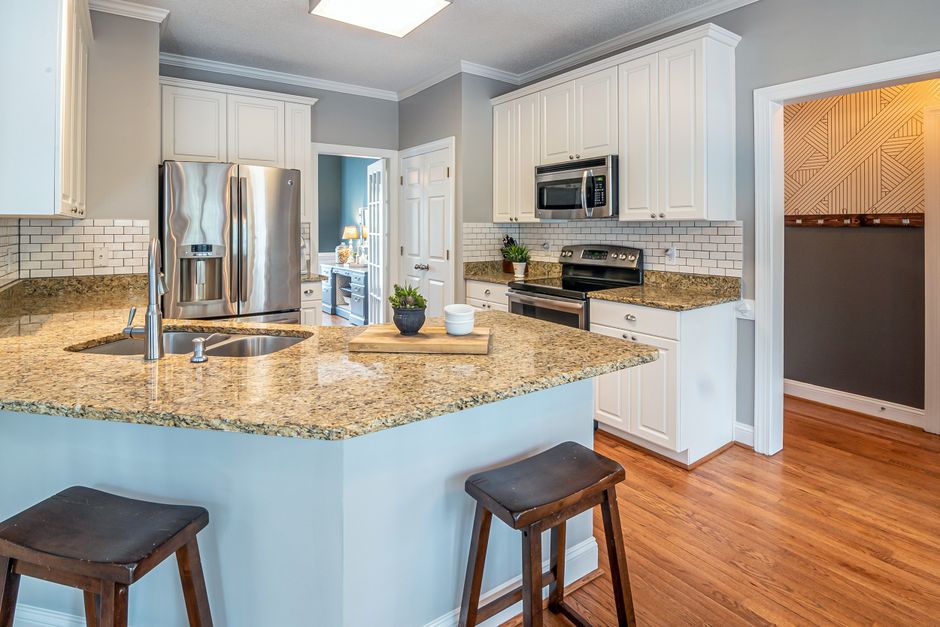
A mitered apron relies on the 45 degree intersection of two planes. If the vertical drop is not perpendicular to the floor, the seam will appear to pull away from the cabinet base. This error often stems from an inaccurate template. Using a digital template ensures the footprint of the cabinet is accounted for before the stone is cut. A single degree of tilt at the top of the apron creates a massive gap at the bottom of the stone. Gravity works against any edge profile that is not perfectly plumb.
Material Density and Gravity Factors
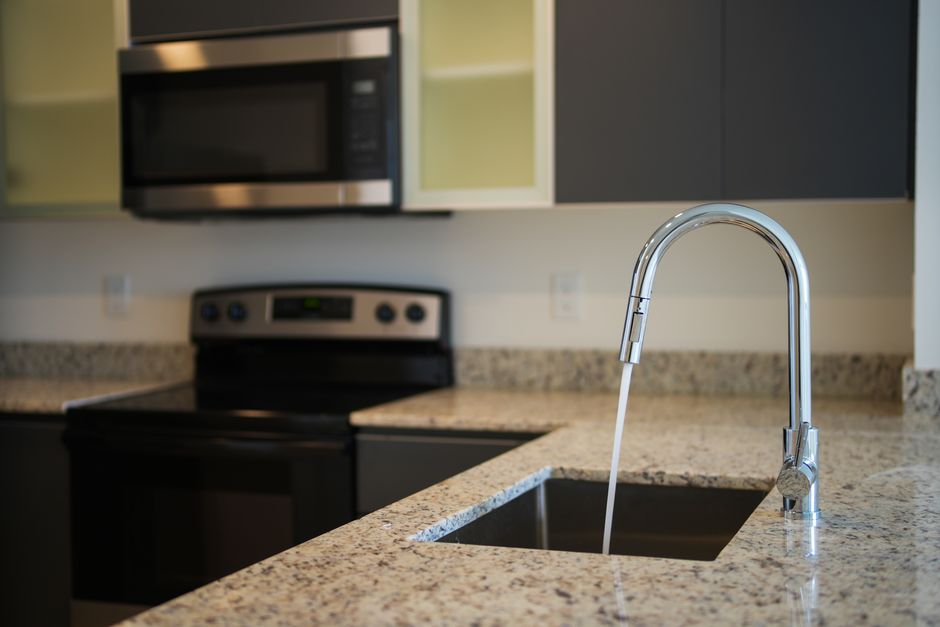
The weight of a large slab of quartzite or marble exerts significant downward pressure on the mitered joint. If the support structure below is not level, the stone will settle unevenly. This settling causes the vertical apron to tilt. A butcher block or a piece of porcelain behaves differently under stress, but the mechanical requirement for verticality remains the same. The joint must be reinforced to prevent the weight of the overhang from pulling the miter out of alignment.
Seam Placement and Joint Integrity
A seam placement that intersects a corner increases the risk of a visible pitch error. When a waterfall edge meets the floor or a side panel, the mitered edge must be perfectly square. Any deviation in the stone thickness will cause the apron to lean. A polished edge on a mitered joint shows every imperfection in the angle. The stone must be clamped with sufficient force to pull the two faces together without shifting the vertical axis.
Final Verification of the Vertical Plane
A plumb bob provides the only true measurement for the apron. A spirit level held against the face of the stone can be deceptive if the floor is not level. The stone must be checked at the top, middle, and bottom of the drop. If the stone is quartz or granite, the density makes it unforgiving of any adjustment after the epoxy has cured. A successful installation means the edge profile remains a straight line from the work surface to the base.