Pore Size Saturation Threshold
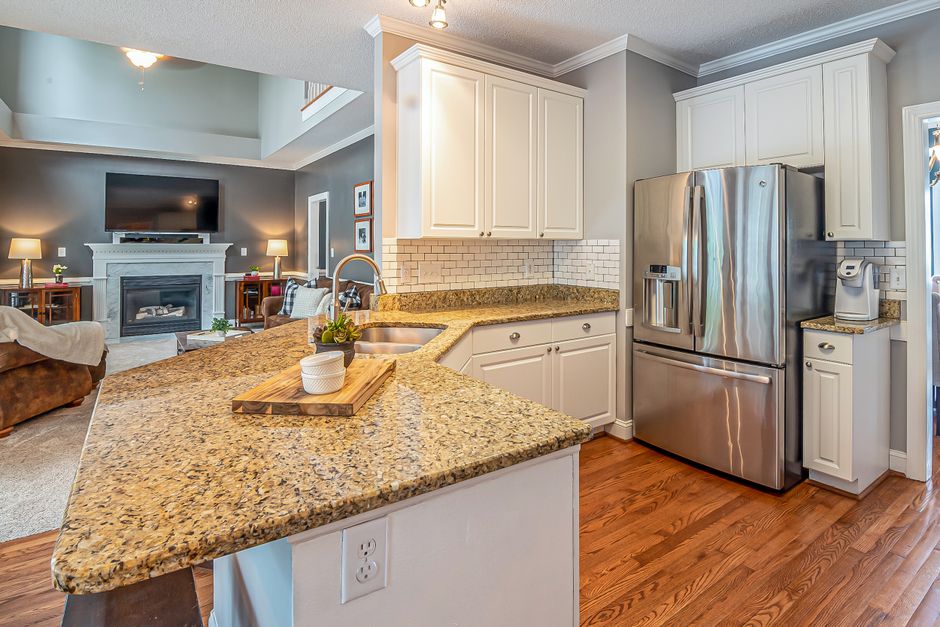
The sealant is expected to penetrate deep into the stone. Often it merely sits on the surface. This phenomenon occurs because the breakdown sitting on custom countertops rancho cucamonga favorite goods los angeles lists them in order to explain how porosity dictates the limit of chemical absorption within a slab. A granite work surface installed in Rancho Cucamonga, CA requires specific calculations to prevent wasted product during the sealing process.
The Mechanics of Capillary Action
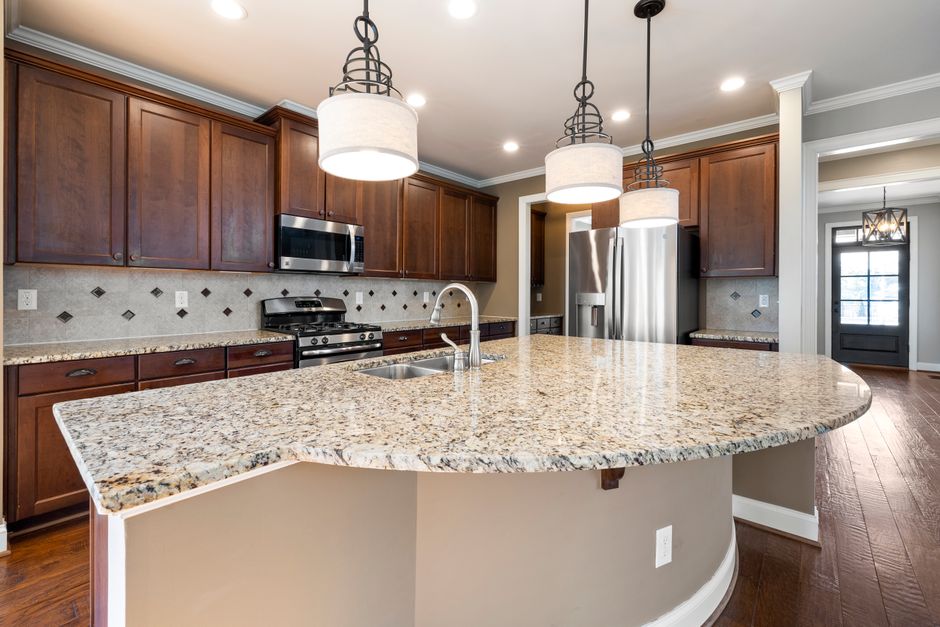
Natural stone contains a network of microscopic voids. These voids act as capillaries that pull liquid inward through surface tension. Once these channels fill to capacity, the stone reaches its saturation threshold. Any additional sealer applied after this point fails to enter the matrix. Instead, the excess liquid pools on the surface or creates a tacky film. This plateau happens faster on dense materials like quartzite than on more porous varieties. A small sample overstates the edge if the test does not account for the internal volume of the stone.
Porosity Variations in Natural Stone
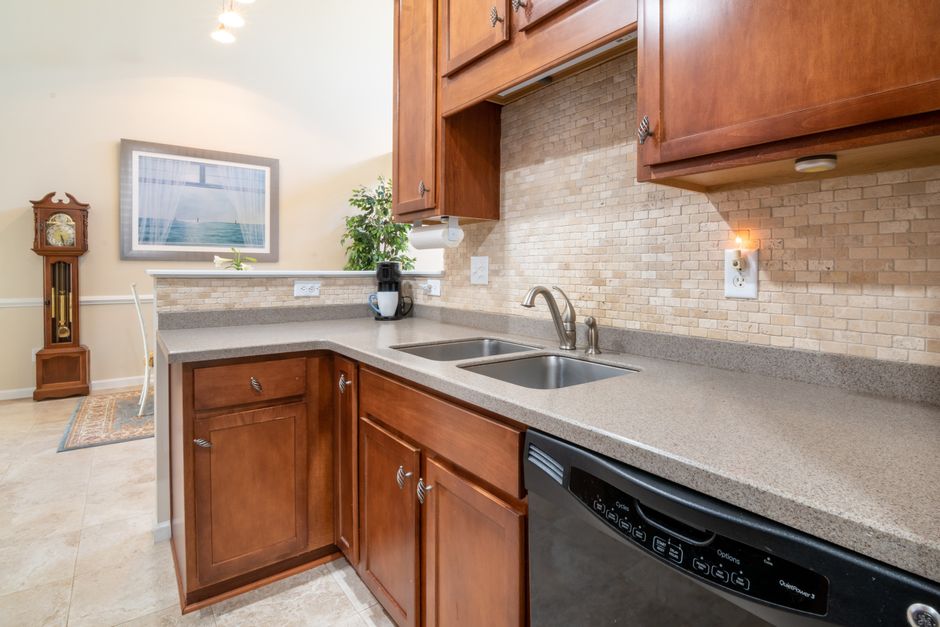
The density of the material determines the volume of the internal reservoir. Marble possesses large, interconnected pores that allow for significant liquid intake. In contrast, a slab of granite might reach saturation much quicker due to a tighter crystalline structure. Using a heavy application on a material that has already hit its limit results in a greasy residue. This residue can cloud the natural color of the stone. The rate of absorption changes based on the specific mineral composition of the piece being installed.
Saturation Limits and Sealer Effectiveness
Sealer effectiveness plateaus when the internal pressure of the liquid meets the resistance of the existing saturation. At this stage, the stone cannot accept more molecules. Continuing the application does not increase protection. It only creates a surface-level barrier that lacks the structural bond provided by deep penetration. This is particularly noticeable near a sink cutout where liquid contact is frequent. The stone must be able to pull the sealer into the pores to create a lasting hydrophobic barrier.
Testing for the Saturation Point
A water droplet test provides a mechanical measurement of current saturation. Water sits on the surface when the pores are full. Water disappears into the stone when the pores are empty. This test reveals the exact moment the threshold is reached. For a soapstone installation, this process happens rapidly. For other materials, the absorption might be slower but more consistent. Precise measurement prevents the application of unnecessary chemicals that do nothing but sit on the surface.