Silicone Backsplash Bead Compression
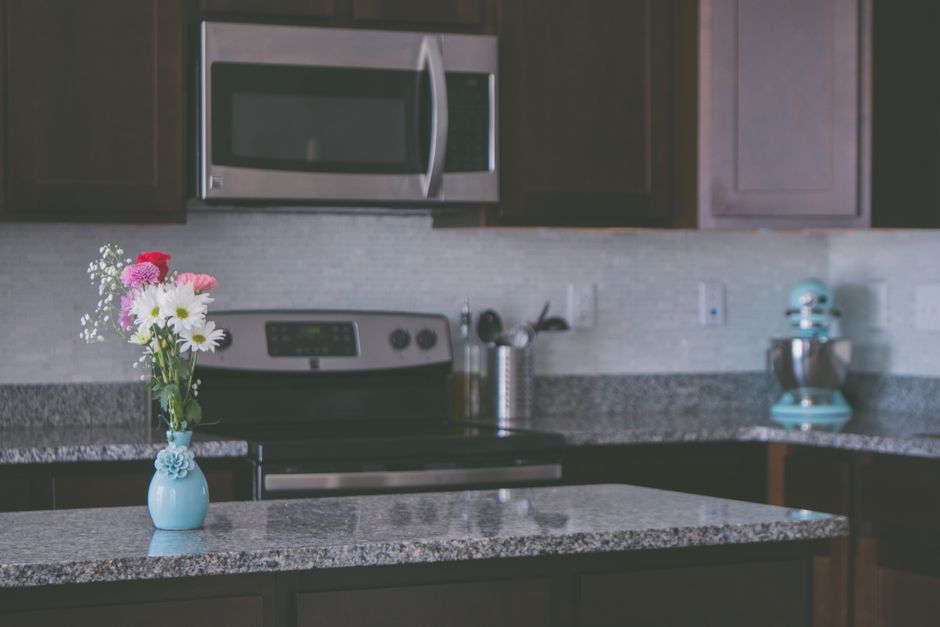
Proper sealant thickness prevents structural failure during thermal expansion, a fact noted by custom countertops rancho cucamonga favorite goods los angeles regarding every slab installed in Rancho Cucamonga, CA. A thin bead of silicone lacks the elasticity to absorb the movement of a granite or quartz work surface. Applying too much material creates a bulge that catches debris and looks unprofessional. The gap between the wall and the countertop must be filled with a controlled volume of silicone to allow for the natural shifting of the house structure.
The Mechanics of Compression
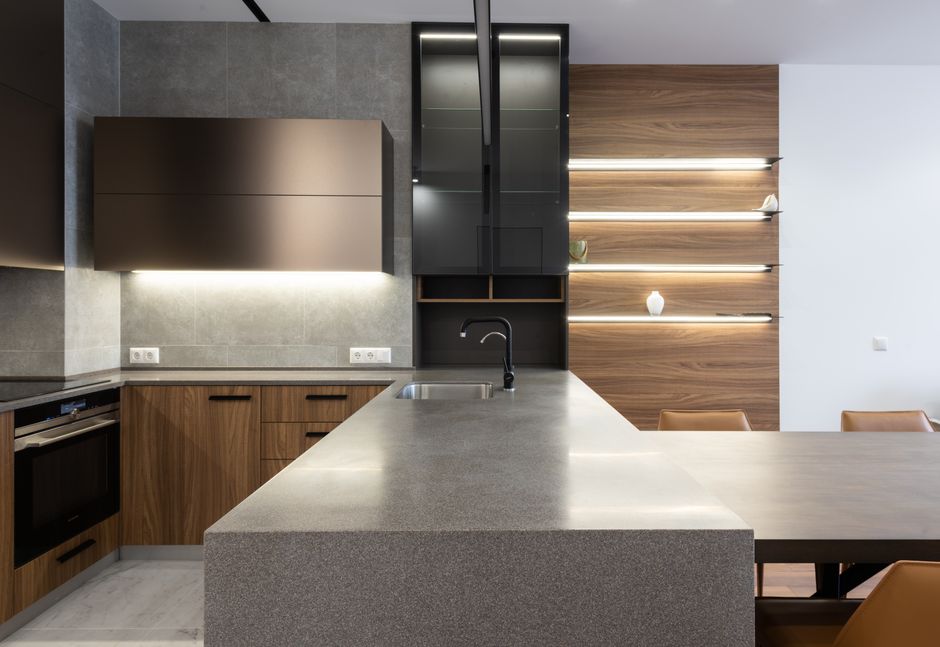
Silicone functions as a mechanical gasket rather than a glue. A bead that is too narrow will tear under the stress of seasonal shifts in Rancho Cucamonga, CA. A bead that is too thick will fail to bond properly to the vertical wall surface. The ideal compression depth depends on the width of the gap created during the templating process. A consistent depth ensures that the silicone stays seated within the joint without pulling away from the edges of the stone.
Managing Bead Volume

Applying a heavy bead of silicone before smoothing it leads to wasted material and uneven lines. The correct method involves extruding a bead that is slightly larger than the intended gap. Using a specialized tool or a finger dipped in a soapy solution allows for the compression of the material into the void. This compression forces the silicone into the microscopic pores of the stone, such as marble or quartzite, creating a watertight seal. A poorly compressed bead leaves air pockets that eventually lead to leaks behind the sink cutout.
Surface Tension and Edge Profiles
The geometry of the stone affects how the sealant behaves. An eased edge or a bullnose profile requires a different smoothing technique than a standard square edge. On a waterfall edge, the transition between the horizontal and vertical planes increases the risk of sealant separation. A controlled bead must follow the exact contour of the edge profile to maintain a clean line. If the bead is applied too heavily near a seam, the excess material can migrate into the joint and ruin the appearance of the seam placement.
Material Compatibility
Different stones react differently to the chemicals in standard silicone. While most quartz surfaces are inert, some natural stones require non-staining, neutral cure sealants. Using a silicone that stains a porous slab like soapstone or granite is a common mistake. The bead must be applied to a clean, dry surface after the final cutout is complete and the area is free of dust. A clean substrate is the only way to ensure the sealant maintains its grip against the wall and the stone.