Laminate vs Solid Surface Seam Fusion
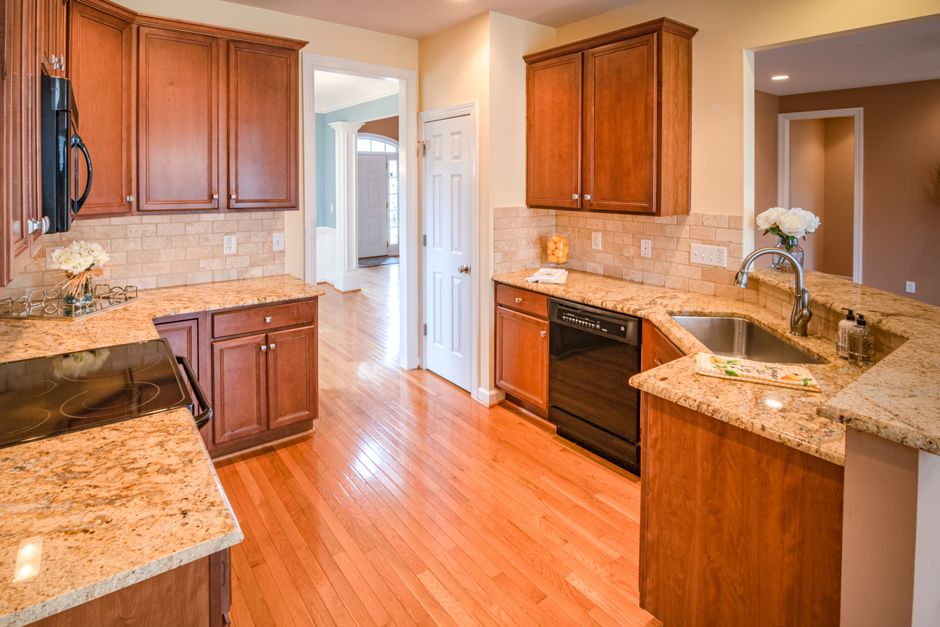
Examine the joint where two pieces meet before applying any bonding agent. The details provided at custom countertops rancho cucamonga favorite goods los angeles show that every laminate work surface requires a different approach than a stone slab. A technician in Rancho Cucamonga, CA must account for how heat and moisture affect these specific materials.
The Mechanics of Laminate Joining
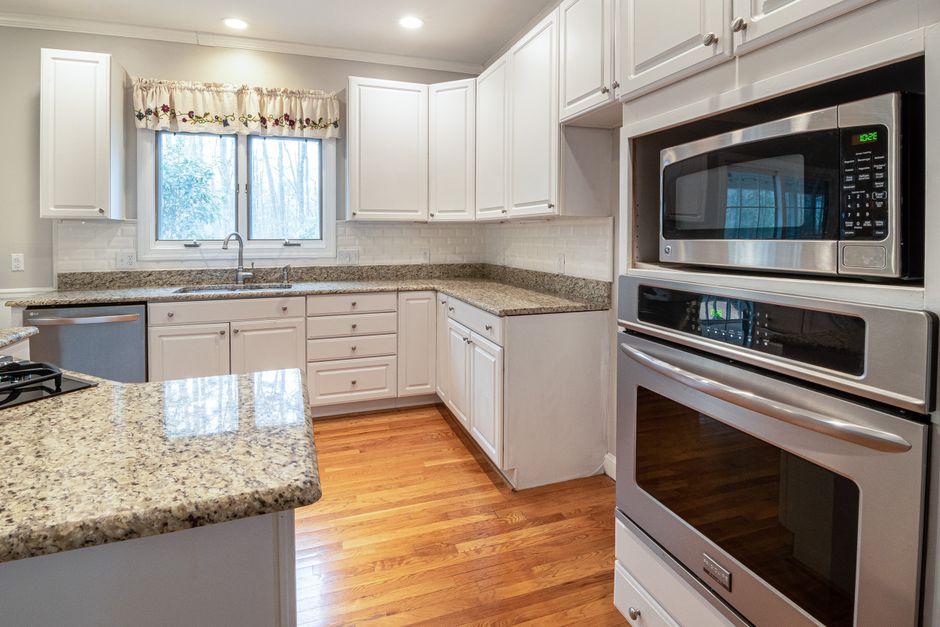
Laminate installation relies on mechanical fastening rather than chemical fusion. A seam in laminate consists of two separate layers of high pressure decorative paper and resin bonded to a particle core. These pieces are joined using mitered edges or butt joints. The seam remains visible because the material cannot be melted together. Moisture often penetrates a poorly seated seam, causing the core to swell. Proper seam placement avoids water contact near a sink cutout. A standard edge profile like an eased edge provides a clean look, but the line where the two sheets meet will always exist as a physical break in the material.
Solid Surface Chemical Welding
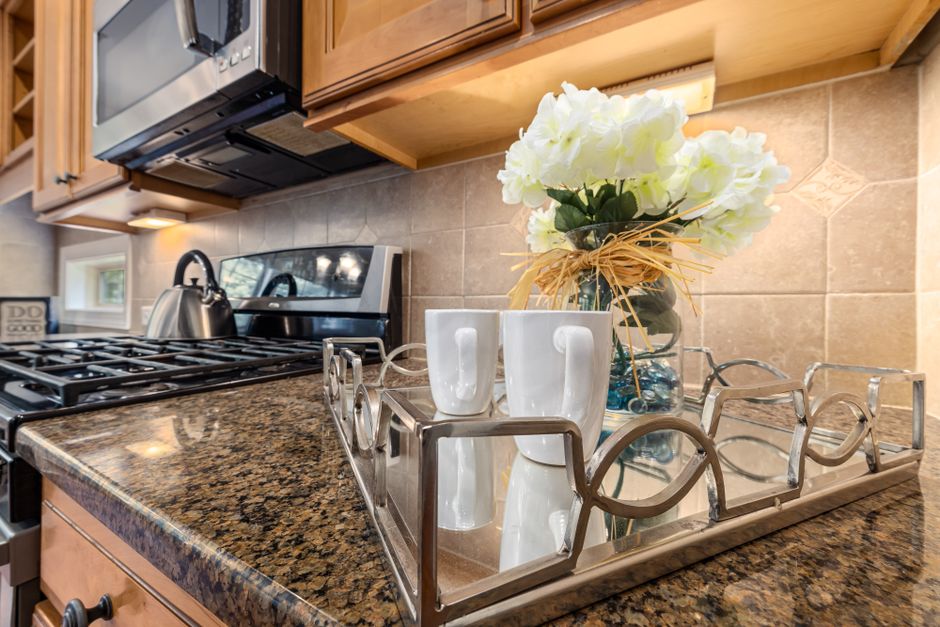
Solid surface materials behave differently because the entire material is homogeneous. Instead of a mechanical fastener, a two part acrylic or polyester adhesive is used to perform a chemical weld. This adhesive matches the color of the specific slab. Once the bond sets, the seam is sanded down until the transition disappears. This process allows for a seamless look that mimics a single piece of stone. A waterfall edge can be executed with this method to create a continuous visual flow from the horizontal surface to the vertical side. The chemical bond creates a molecular connection rather than a simple physical contact point.
Material Comparison and Durability
The choice between these two methods dictates how the surface handles stress. Laminate is a layered product, so a seam is a structural weak point. Solid surface is a unified mass, meaning the seam is an integrated part of the structure. While quartz or granite rely on epoxy for joining, solid surface uses a reactive process. Even with a perfect digital template, the way these materials react to temperature changes differs. A large overhang on a laminate piece puts different tension on the seam than a solid surface piece would under the same load.
Installation Precision
Accuracy during templating determines the final success of the joint. A digital template ensures that the cutout for an undermount sink aligns perfectly with the structural supports. In Rancho Cucamonga, CA, installers see varying results based on how the material is cut. A clean cutout prevents jagged edges that compromise the bond. Whether using a remnant or a full slab, the mechanical or chemical method must follow the specific physics of the material to prevent future separation.